
The convention that changed anime kicked off on August 22, 1981.

The convention that changed anime kicked off on August 22, 1981.

During a particularly rough period for Gainax in the early ’90s, Hiroyuki Yamaga sat down to discuss his plans for a sequel to Royal Space Force: The Wings of Honneamise. Nearly 30 years later it remains unfinished.

At a glance it may seem like the intermingling of Japanese and American horror movie motifs with manga-literate millennial artists is a relatively new phenomenon. And yet, as is often the case, this is not the first time these flavors have mingled.

A quick look through a 30-year-old catalog from garage kit manufacturer Kotobukiya.

The reputation of Gainax is one that looms large among anime fans. The studio’s iconoclastic origin story and the meteoric rise of Hideaki Anno, its star creator, have become the stuff of legend. But there are still pockets of Gainax history that remain largely unexplored.

At the end of the gunpla boom, Hobby Japan and Nitto teamed up to release a direct-to-video short film based on Kow Yokoyama’s model kit and photonovel series, S.F.3.d.
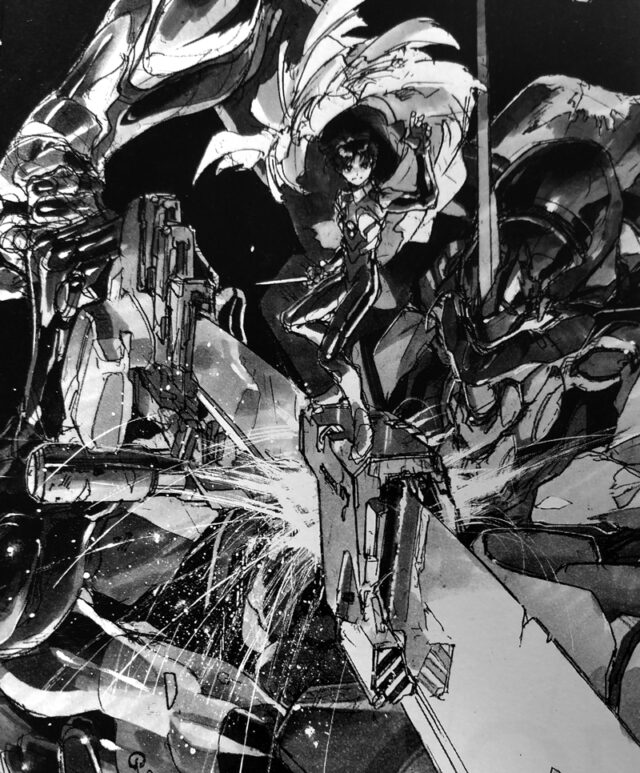
Long before the Rebuild of Evangelion series, plans existed to create an all-new original Evangelion film after the TV series ended. While it was never made, two different proposals for this film are known to exist.
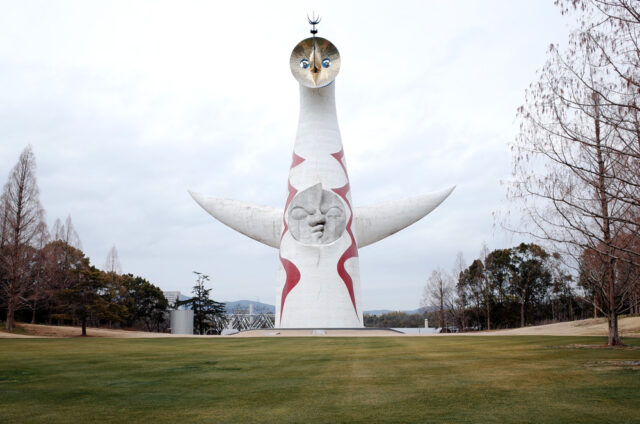
With a progressive, science-based theme, Expo ’70 presented a future of unlimited opportunity to the schoolchildren of Japan. It never quite panned out, but Expo ’70s influence and presence have endured in the decades since.

As an up-and-coming young animator, Hideaki Anno worked on big animated films like Nausicaä and Macross: Do You Remember Love? For a brief time in 1984, he had a short comic feature that ran in Comic Box Jr. detailing his production experiences.
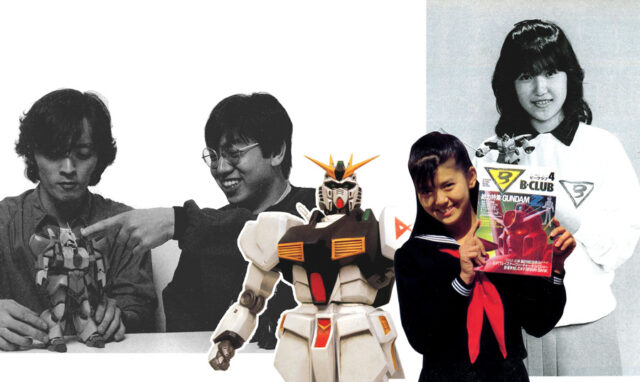
At the tail end of the gunpla boom, Bandai’s enthusiast publishing and garage kit division, B-Club, unleashed a monthly magazine and dozens of garage kits on a modeling community that was growing out of normal plastic model kits.