
Way back in 1985, Hobby Japan (the biggest name in hobby magazines) attempted to diversify with an all-new periodical focused on the broad spectrum of otaku subculture. The experiment lasted three issues.

Way back in 1985, Hobby Japan (the biggest name in hobby magazines) attempted to diversify with an all-new periodical focused on the broad spectrum of otaku subculture. The experiment lasted three issues.

Gundam could be considered reader-hostile considering the lengths it makes fans go to in order to reach its stories.
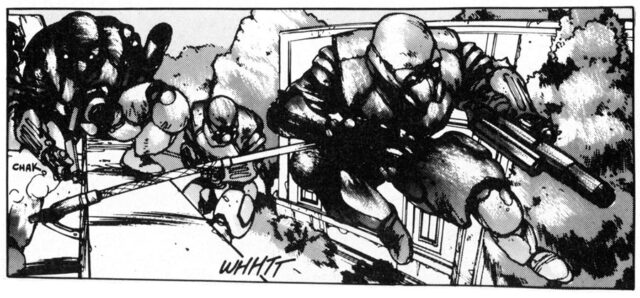
While a majority of American comic book creators through the 1990s were content with stacking tubes to create weapons and conjure vehicles with childlike reality, mangaka such as Shirow Masamune, sought out minutia in reference and found authenticity via inspiration in the most random of places.

Musical in-jokes and allusions run deep in the works of mecha maestro Mamoru Nagano.

Like all good giant robot shows, Mobile Suit Gundam had a proper toy sponsor. Unfortunately, the brightly colored metallic toys were utterly at odds with the show’s more realistic tone. Before Bandai’s gunpla, there was Clover’s toys.

Welcome to the second part of our KVLTWORX painting tutorial. The first part covered using lacquer paints and in this installment, we’ll be using oil and enamel paints for weathering.

The Emotion logo was created in 1983 — around the same time moai statues made a surreal appearance as spacefaring, laser-vomiting opponents in shooting game series Gradius. Just why is Japan so moé for moai?

The first part of a how-to series on painting with lacquer paints in a weathered, Maschinen Krieger style.

In the years after Macross, Shoji Kawamori and Haruhiko Mikimoto collaborated again on a film about a young girl and her bicycle.

A look back at the film sequel to a giant robot parody TV show that defies expectations.