
Long before the Rebuild of Evangelion series, plans existed to create an all-new original Evangelion film after the TV series ended. While it was never made, two different proposals for this film are known to exist.
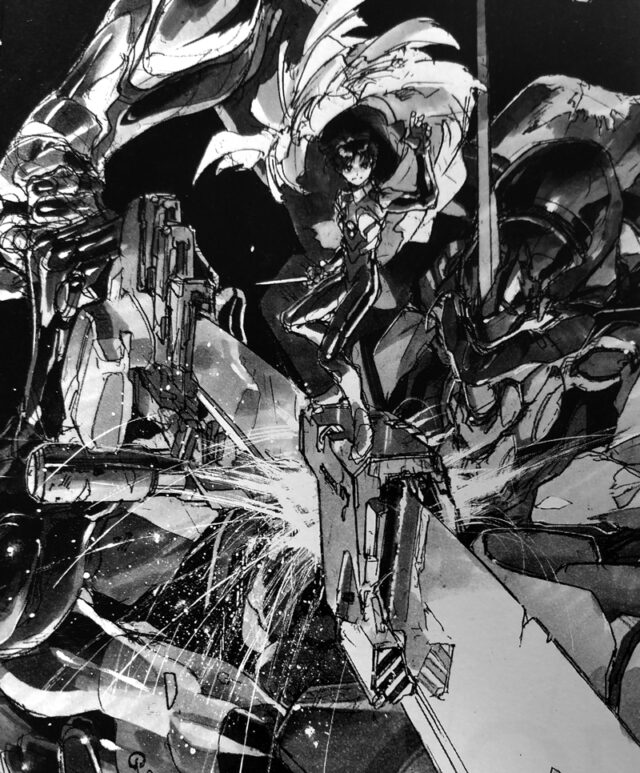
Long before the Rebuild of Evangelion series, plans existed to create an all-new original Evangelion film after the TV series ended. While it was never made, two different proposals for this film are known to exist.

With a progressive, science-based theme, Expo ’70 presented a future of unlimited opportunity to the schoolchildren of Japan. It never quite panned out, but Expo ’70s influence and presence have endured in the decades since.
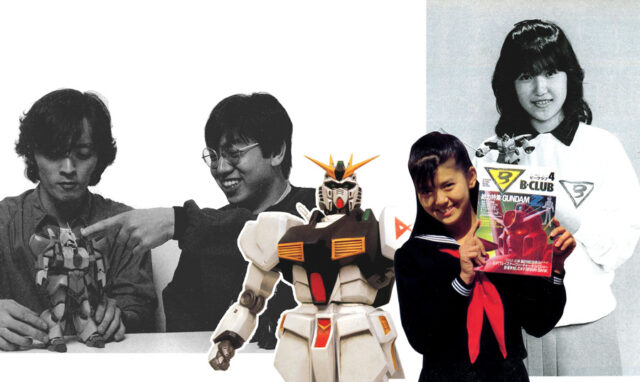
At the tail end of the gunpla boom, Bandai’s enthusiast publishing and garage kit division, B-Club, unleashed a monthly magazine and dozens of garage kits on a modeling community that was growing out of normal plastic model kits.

Keita Amemiya’s Zeiram series inspired plenty of garage kits, but none were quite as fascinating as a series of life-sized relicas based on props actually used in the films.

In 1988, Kow Yokoyama and Makoto Kobayashi stood atop the artist and model making scene. Their illustrations and model work appeared in anime, magazines, video games, and a collaborative artbook called Two Factory.

Metal Skin Panic MADOX-01 was one of the unsung heroes of the OVA boom. Presented here for the first time is an early design document outlining the OVA’s plot and designs, in both Japanese and English.

War in the Pocket provides perhaps the most pointed critique of space colonization within the larger Gundam canon. Directly in conversation with Gerard O’Neill’s The High Frontier, 0080 shows the colonial dream for what it is: a destructive illusion.

Originally published nearly three decades ago in the manual of a PC-98 strategy game, this interview with Kazuhisa Kondo sheds light on his unique approach to portraying mobile suits in his comics.

Way back in 1985, Hobby Japan (the biggest name in hobby magazines) attempted to diversify with an all-new periodical focused on the broad spectrum of otaku subculture. The experiment lasted three issues.

Gundam could be considered reader-hostile considering the lengths it makes fans go to in order to reach its stories.